

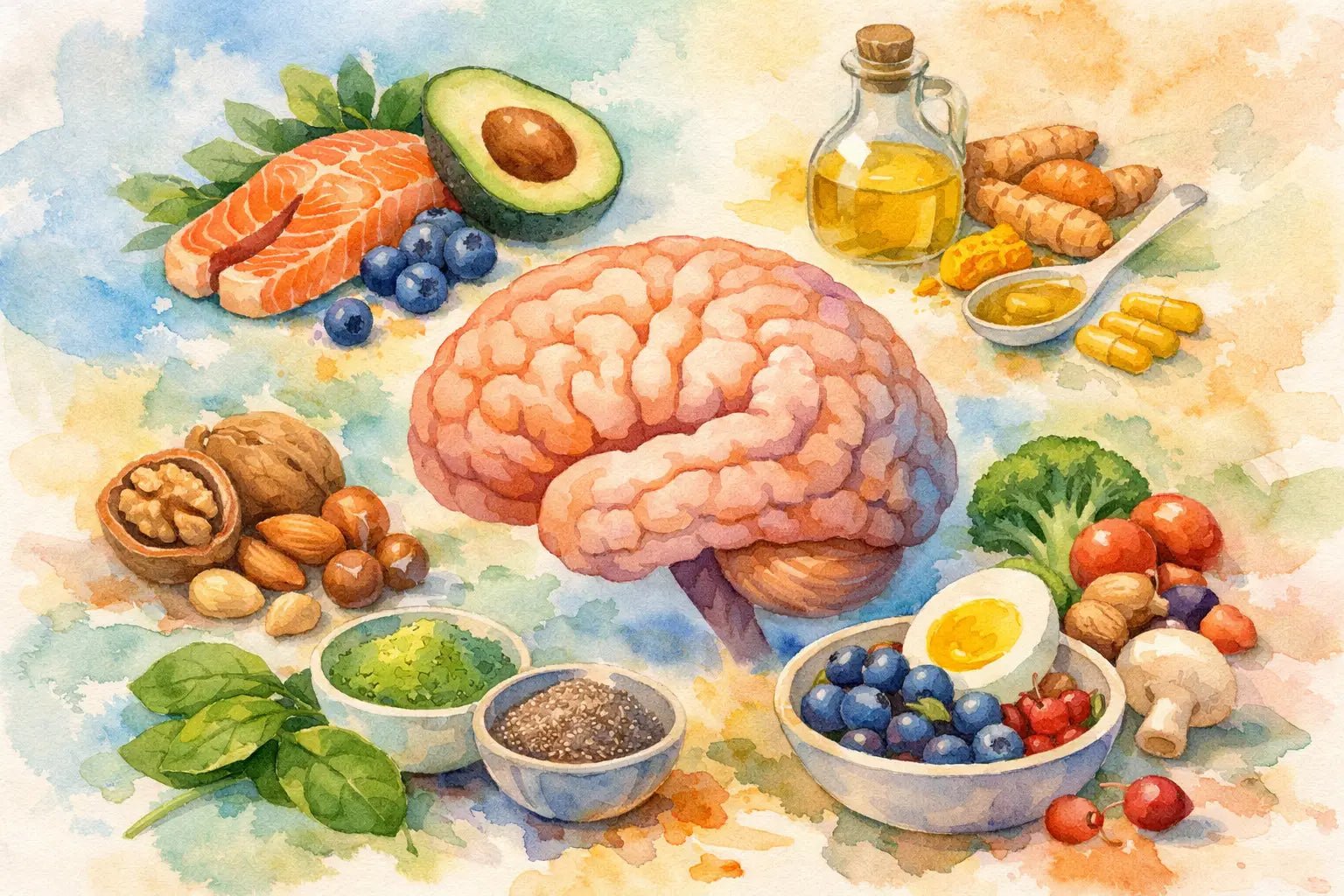
A sharp mind does not run on caffeine and willpower alone. The afternoon fog, scattered focus, and feeling of being mentally “on” but not fully present often point back to the basics: nourishment, hydration, sleep, and recovery. The best nutrients for cognitive performance support the systems that create cellular energy, protect brain tissue, and help your nervous system communicate with clarity.
That does not mean one capsule can replace a nutrient-rich diet or rescue chronic exhaustion. It does mean that the right nutritional foundation can help you show up with steadier energy for work, training, family life, and the meaningful moments that deserve your full attention. God’s creative genius gave the body an extraordinary ability to adapt and perform - provided it receives what it needs.
The Best Nutrients for Cognitive Performance Start With Energy
Your brain is metabolically demanding. Though it represents a relatively small share of body weight, it requires a continuous supply of energy and a precise balance of nutrients to function well. When meals are skipped, protein is low, hydration is neglected, or blood sugar rises and crashes all day, mental clarity often pays the price.
Start with consistent meals built around protein, colorful plants, quality fats, and fiber-rich carbohydrates. This is not glamorous advice, but it is powerful. A breakfast of sweetened coffee and a pastry may feel fast, yet it rarely creates the steady fuel required for demanding meetings, school pickup, or a hard training session later in the day.
Supplementation works best as a strategic layer, not a substitute for real food. The nutrients below matter because they address common gaps in modern routines while supporting the biological work behind focus, mood, memory, and resilience.
Magnesium Helps the Nervous System Settle and Perform
Magnesium is involved in hundreds of enzymatic reactions, including processes related to energy production, muscle function, and normal nerve signaling. For busy adults, that makes it a major player in the clarity equation. A mind that is overstimulated, under-recovered, and running on too little sleep is not positioned for its best work.
Magnesium supports a calmer, more balanced nervous-system environment, which can make it easier to maintain focus instead of bouncing between distractions. It also matters for active people, since training, sweating, and demanding schedules can increase the need for thoughtful nutrition.
Food sources include leafy greens, beans, seeds, nuts, and whole grains. Yet many people do not eat enough of these foods consistently. The form matters in a supplement, too. Well-chosen forms and delivery systems can be gentler and more usable than bargain-bin options that treat magnesium as an afterthought.
Zinc Supports More Than Immune Strength
Zinc is often discussed only during cold season, but its role reaches further. It contributes to normal immune function, antioxidant defenses, and many cellular processes that support whole-body performance. When your system is under constant pressure from poor sleep, intense exercise, travel, or a less-than-perfect diet, adequate zinc becomes part of a strong foundation.
Mental performance is never separate from physical resilience. It is hard to think clearly when you are worn down, inflamed by an overextended lifestyle, or constantly trying to push through low energy. Zinc helps support the body systems that keep you in the game.
More is not automatically better. High-dose zinc used carelessly for long periods can interfere with copper balance and cause unwanted effects. This is where therapeutic intention must be paired with responsible formulation and label awareness. Choose products with transparent amounts, follow directions, and speak with a qualified healthcare professional if you have a medical condition, take medications, are pregnant, or are considering higher-dose use.
Vitamin C and Vitamin E Defend Against Daily Oxidative Stress
Hard workouts, environmental exposures, normal metabolism, and life’s relentless pace all create oxidative stress. Antioxidants such as vitamin C and vitamin E help protect cells from oxidative damage, supporting the larger environment in which the brain and body perform.
Vitamin C also supports collagen formation and immune health, while vitamin E is a fat-soluble antioxidant that helps protect cell membranes. The brain is rich in delicate fats, so nutritional support for healthy cell membranes is not a minor detail.
Whole-food sources still deserve center stage. Citrus, berries, peppers, kiwi, and broccoli offer vitamin C alongside beneficial plant compounds. Nuts, seeds, avocado, and quality oils contribute vitamin E. For people who struggle to eat a varied diet every day, a thoughtfully formulated supplement can help close the gap without asking them to chase perfection.
Omega-Rich Fats and MCTs Can Support Mental Fuel
The brain is built from fat and relies heavily on fats for structure and signaling. Omega-3 fats, especially DHA, are well known for their role in brain health and are worth prioritizing through fatty fish or a quality supplement when intake is low. They are not an instant focus switch, but they are foundational nutrients for long-term cognitive support.
MCT oil offers a different, complementary role. Medium-chain triglycerides are absorbed and processed differently than many other fats, providing a quick energy source that some people find useful for sustained daily momentum. Responses vary. MCTs can be especially appealing for people following lower-carbohydrate eating patterns or anyone seeking a simple way to add quality fats, but they can cause digestive discomfort when introduced too aggressively.
Start low, pay attention to tolerance, and remember that brain fuel works best in the context of enough total food. Running on too few calories and adding a scoop of MCT oil is not a complete cognitive strategy.
Berry Compounds Add a Whole-Food Advantage
Deeply colored berries earn their place in a performance-minded routine. Black currants, blueberries, and other richly pigmented fruits contain polyphenols and other plant compounds that complement a diet focused on antioxidant protection and healthy circulation.
These compounds do not need to be treated as magic. Their real value is that they bring the intelligence of whole foods into your daily routine. A formula that includes berry-derived ingredients can offer more than isolated vitamins alone, especially when it is designed with absorption, sourcing, and meaningful dosing in mind.
This is the difference between collecting random ingredients and building a nutritional ally. At BioGenesis Laboratory, that principle guides the pursuit of premium liquid natural supplements that bring complementary nutrients together with purpose.
Absorption Is Part of the Formula, Not an Afterthought
A long supplement label can look impressive while doing very little for your actual routine. Quality is not merely about the number of ingredients. It is about ingredient forms, dose, sourcing, compatibility, and whether the product is practical enough to use consistently.
Liquid formats can be a welcome option for people who dislike swallowing pills or want flexible dosing. Fat-soluble compounds, such as vitamin E and certain botanical oils, may also benefit from being taken with dietary fat. Chelated minerals are often selected for their compatibility and absorption characteristics, though the best choice can still depend on the individual and the complete formula.
Look for transparent labels that clearly disclose what is included and how much. Be cautious with proprietary blends that hide doses, exaggerated promises that suggest a supplement can treat a disease, or formulas loaded with stimulants that manufacture a temporary sense of energy. Real cognitive support should help you build capacity, not merely borrow it from tomorrow.
Build a Clearer-Mind Routine That Lasts
The most effective routine is repeatable. Begin with water early in the day, a protein-forward breakfast, and food that provides color and healthy fats. Protect sleep as fiercely as you protect your calendar. Move your body, because circulation, stress management, and physical fitness all influence how your brain feels.
Then use targeted nutritional support to reinforce the gaps that real life creates. Magnesium for nervous-system balance, zinc for foundational resilience, antioxidant vitamins for cellular protection, quality fats for brain structure and fuel, and berry compounds for whole-food support can work together far more effectively than a frantic search for one miracle ingredient.
Your mind carries your work, your relationships, your training, and your calling. Feed it with intention. Small, consistent choices can become the kind of daily strength that helps you think clearly, stay present, and bring more of yourself to the life you are building.