

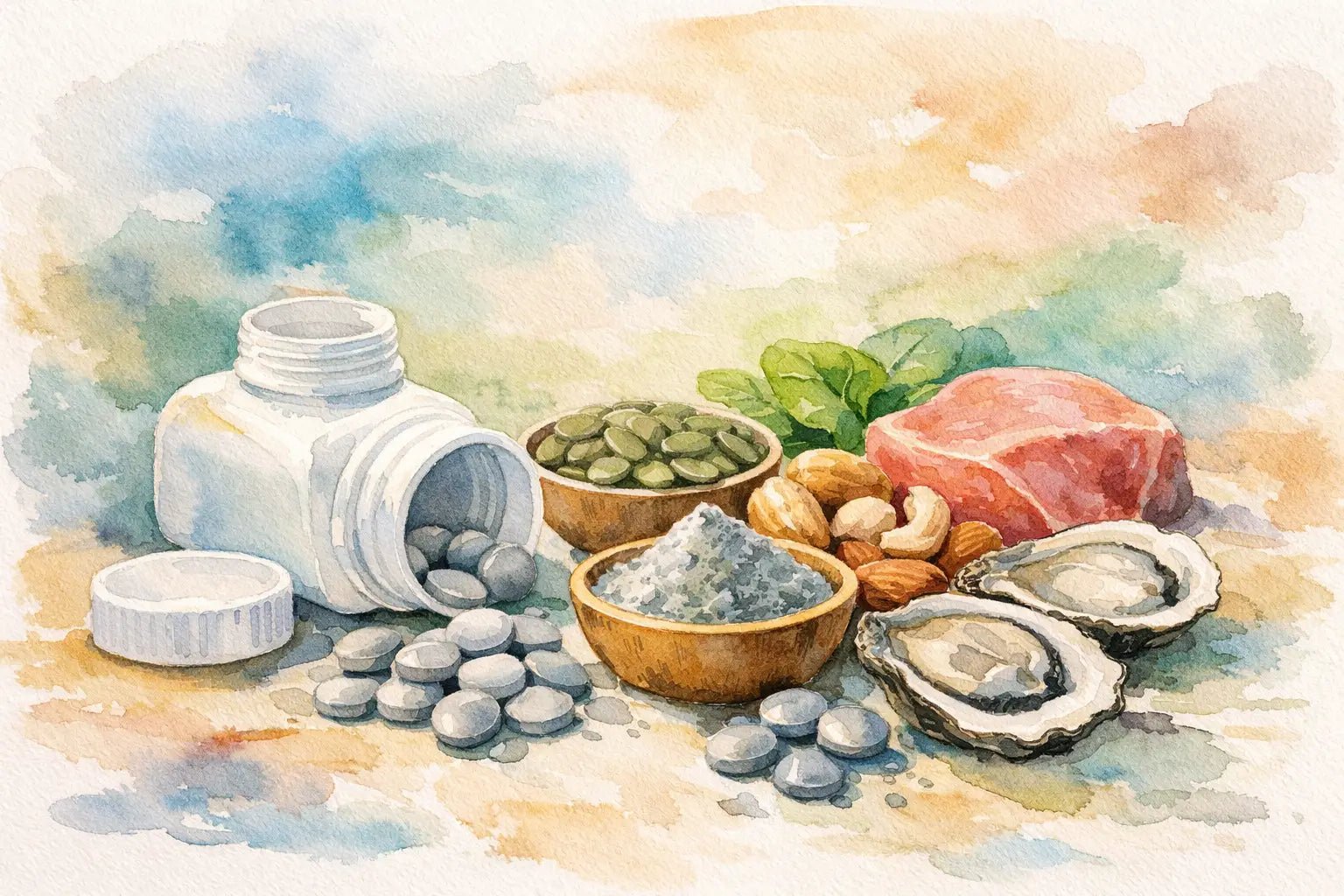
A zinc dosage that is too low can leave nutritional gaps. A zinc dosage that is too high, especially day after day, can create a different set of problems. That is why more is not automatically better. The goal is to give your body enough of this essential mineral to do its work in immune defense, cellular repair, protein synthesis, taste and smell, and everyday recovery.
For people who take their health seriously, zinc deserves more than a quick glance at a supplement label. It deserves a smart, consistent strategy built around your diet, your life stage, your medications, and the amount of elemental zinc you are already getting from food and formulas.
Zinc Dosage Starts With Your Daily Need
Zinc is a trace mineral, meaning the body needs it in relatively small amounts. But small does not mean optional. Your body does not store large reserves of zinc, so regular intake matters.
For most adults, the recommended daily intake is 11 mg for men and 8 mg for women. During pregnancy, the recommendation rises to 11 mg daily, while breastfeeding women generally need 12 mg daily. These are baseline nutrition targets, not a universal prescription for every wellness goal or health situation.
Age matters, too. Children and teenagers need lower amounts that increase as they grow. Parents should never simply scale down an adult supplement with guesswork. A child’s appropriate zinc dosage depends on age, dietary intake, medical history, and the specific product. When in doubt, ask a pediatrician or qualified practitioner.
The key point: daily needs are not a competition. God’s creative genius built the body to work with balance. Zinc supports that balance when it is supplied consistently and intelligently.
The Upper Limit Matters Just as Much
For adults, the tolerable upper intake level for zinc is 40 mg per day from food, beverages, and supplements combined. This is not a target to chase. It is the upper level considered unlikely to pose risk for most healthy adults when used over time.
A high-potency product may have a role in a practitioner-guided protocol or for a limited period, but taking large amounts indefinitely is not a high-performance strategy. Excess zinc can cause nausea, stomach discomfort, vomiting, headaches, and loss of appetite. Over time, it can interfere with copper absorption, potentially contributing to copper deficiency, anemia, and neurological concerns.
That is the trade-off many people miss when they buy the biggest number on the shelf. A 50 mg zinc tablet may look powerful, but power without a plan can become imbalance. If your routine includes a multivitamin, immune powder, lozenge, and standalone zinc, add up the totals. Labels can hide overlap in plain sight.
Watch for Elemental Zinc on the Label
One label detail changes everything: look for the amount of elemental zinc. Zinc is usually bound to another compound, such as zinc citrate, zinc picolinate, zinc bisglycinate, or zinc gluconate. The compound name tells you the form, while the elemental zinc amount tells you how much actual zinc you are getting.
Do not assume that a larger compound weight equals a larger zinc dosage. Compare the elemental zinc line, then assess the entire formula. Quality matters, but context matters too.
When Food May Cover Your Zinc Needs
Food remains a powerful foundation. Zinc is naturally found in oysters, beef, poultry, crab, dairy, eggs, beans, lentils, nuts, seeds, and whole grains. Animal-based foods often provide zinc in a form the body can use efficiently, while plant foods can contribute meaningfully but may contain phytates that reduce absorption.
That does not mean plant-forward eaters cannot meet their needs. It means they should be more intentional. Soaking, sprouting, fermenting, and eating a varied diet can help. Vegetarians, vegans, adults with limited appetites, people with digestive conditions, and those who eat very restricted diets may have a greater reason to review their zinc intake with a practitioner.
If you regularly eat zinc-rich foods and use a multivitamin, a separate daily zinc product may not be necessary. If your diet is inconsistent, your demands are high, or a healthcare professional has identified a need, a premium supplement can help close the gap.
Choosing a Zinc Dosage for Daily Wellness
For many healthy adults, a supplement providing a modest amount of elemental zinc can fit into a daily routine, particularly when dietary intake is uncertain. The right amount depends on what you already consume, not on marketing hype or a one-size-fits-all number.
Consider your full intake before adding another product. Ask yourself whether you use a multivitamin, fortified drink, immune formula, protein powder, or occasional cold remedy that also contains zinc. This simple inventory prevents accidental stacking.
Timing can also affect your experience. Zinc can cause nausea when taken on an empty stomach, so taking it with a meal is often more comfortable. At the same time, very high-fiber meals and supplements containing iron or calcium may compete with zinc absorption. You do not need to obsess over every meal, but separating these products when practical can be a smart move.
For people seeking a clean, multi-nutrient option, BioGenesis Laboratory’s ThincZinc+ ULTRA is formulated to pair zinc with complementary nutrients in a liquid, organic chelated formula. As with any combined product, review the label for elemental zinc and factor it into your total daily intake.
Forms and Absorption: What Actually Counts
The supplement aisle is full of promises about absorption. Some zinc forms may be better tolerated or absorbed than others, but there is no magic form that overrides an excessive dose, a poor diet, or inconsistent use.
Chelated forms are often chosen because zinc is bound to an organic compound that may support absorption and gentler digestion. Zinc picolinate, citrate, and gluconate are also common forms with practical uses. The best choice is usually the one with a transparent label, appropriate elemental amount, quality sourcing, and a formula you can take consistently without discomfort.
A premium formula should never ask you to choose between purity and performance. Look for clear disclosure, avoid unnecessary additives, and remember that the body responds to what it can use, not what looks impressive on a front label.
Zinc for Immune Support: A Reality Check
Zinc plays a legitimate role in normal immune function. It supports the development and activity of immune cells, which is why low zinc status can affect immune resilience. But zinc is not a force field against every cold, stressful week, or late-night schedule.
Some research suggests zinc lozenges may help shorten cold symptoms when used early and according to product directions. Results vary based on formulation, dose, timing, and individual factors. Do not use intranasal zinc products, as they have been associated with loss of smell.
The strongest immune strategy is still wonderfully unglamorous: consistent sleep, adequate protein, colorful produce, hydration, movement, stress management, and targeted nutrition. Zinc belongs in that foundation. It does not replace it.
Who Should Get Professional Guidance?
A personalized recommendation is especially wise if you are pregnant or breastfeeding, managing a chronic condition, taking prescription medications, or considering a higher-dose zinc protocol. Zinc can interact with certain antibiotics and medications, so timing and supervision may matter.
Talk with a qualified healthcare professional if you have ongoing digestive issues, frequent infections, unexplained fatigue, a highly restrictive diet, or symptoms that make you suspect a deficiency. Symptoms alone cannot confirm low zinc, and self-treating for months can blur the real cause of the problem.
Your health is not built by chasing the loudest supplement claim. It is built through wise inputs, steady habits, and formulas that honor the body’s need for balance. Choose a zinc dosage with intention, stay aware of your total intake, and let your daily nutrition become an ally for the energy, clarity, and resilience you were made to pursue.