

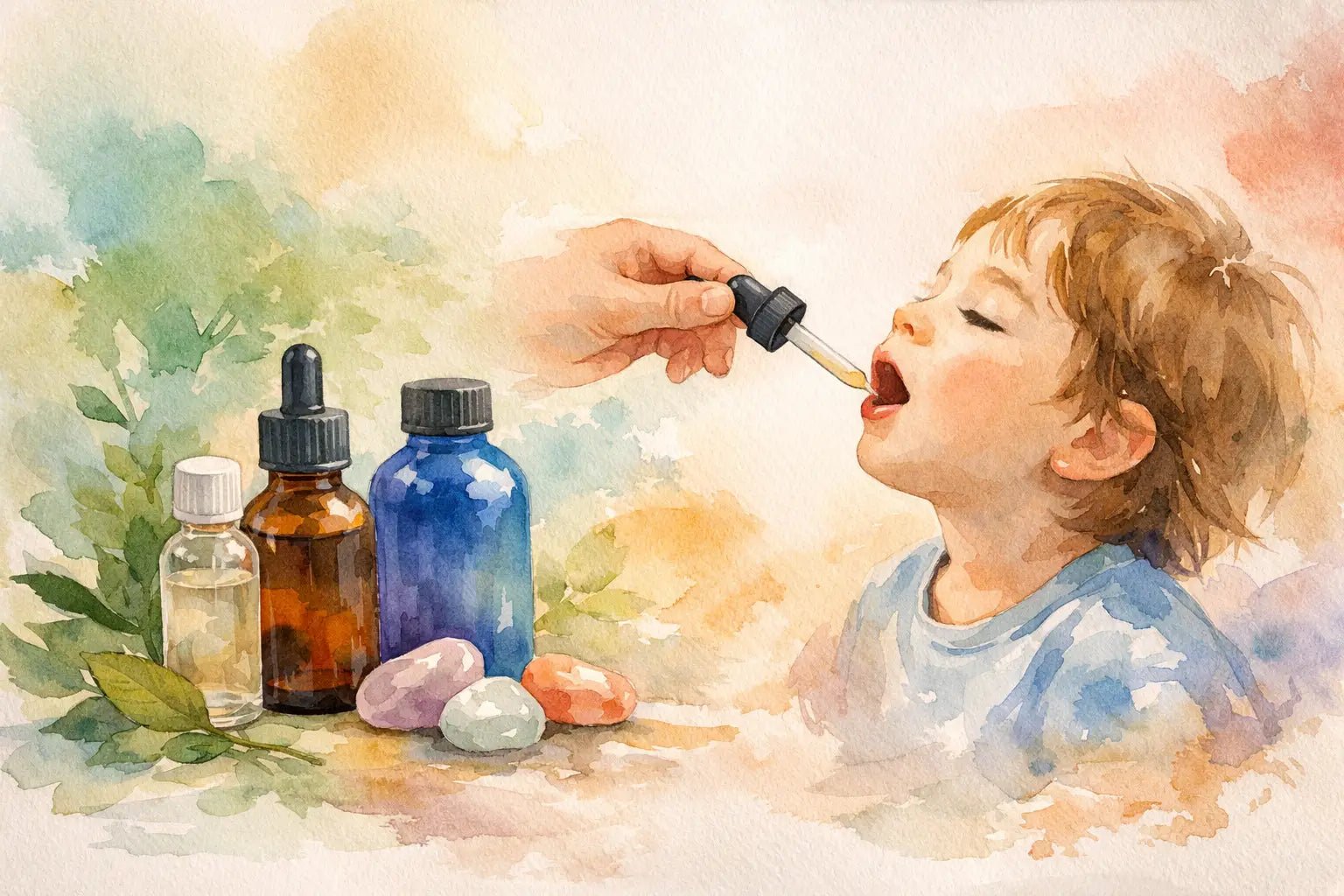
A child who is picky with food, constantly on the move, or coming off a rough season of illness can make any parent wonder: can children take liquid minerals to help fill nutritional gaps? Often, they can - but “liquid” does not automatically mean gentle, necessary, or safe at every dose. Children need minerals for growth, immune function, muscles, nerves, and energy metabolism. They also need the right mineral, in the right amount, for their age and individual health picture.
This is where thoughtful supplementation matters. A clean, well-made liquid mineral formula can be a practical tool for some families, especially when swallowing capsules is a battle or a child has a limited diet. But the strongest approach starts with food, respects age-appropriate dosing, and brings a pediatrician or qualified pediatric practitioner into the conversation when there are ongoing concerns.
Can Children Take Liquid Minerals? Yes, With Guardrails
Liquid mineral supplements are not inherently different from tablets or gummies in what the body ultimately receives. The meaningful differences are the formula, the dose, the ingredients surrounding the minerals, and whether the child will actually take it consistently. Liquids can be easier to measure and swallow, and some families prefer them when a child cannot manage pills.
Still, minerals are active nutrients, not flavored wellness water. Iron, zinc, magnesium, selenium, calcium, and other minerals each have distinct roles, interactions, and upper limits. A product designed for an adult can deliver far more than a young child needs in a single serving. Even a premium, highly absorbable formula needs to be evaluated through the lens of the child’s age, diet, medications, and health history.
The goal is not to give children every nutrient imaginable. The goal is to identify whether a genuine gap may exist and address it intelligently. God’s creative genius already built an extraordinary nutritional foundation into real food. Supplements should support that foundation, not replace breakfast, vegetables, protein, sleep, or time outside.
When a Liquid Mineral May Make Sense
There are seasons when a practitioner may recommend extra nutritional support. A child with highly selective eating habits, a medically restricted diet, a diagnosed nutrient deficiency, certain digestive conditions, or unusually intense athletic activity may have needs that deserve closer attention. Children who avoid entire food groups can also be more vulnerable to gaps depending on what is missing from their diet.
For example, zinc is involved in normal immune function, wound healing, and growth. Magnesium supports normal muscle and nerve function. Calcium is central to bone development. Yet “supports” is not the same as “more is better.” A child who already gets enough of a nutrient from food, fortified foods, and a multivitamin may not benefit from adding another concentrated source.
That is why parents should look at the whole picture before adding a liquid mineral. Review the label on every product the child takes, including multivitamins, gummies, powders, and fortified drinks. Nutrients can stack quickly, particularly when several products are marketed for immunity, sleep, sports, or daily wellness.
The Dose Is the Deciding Factor
A child’s safe intake is based on age, not simply body size or a parent’s best guess. Nutrition needs change dramatically from toddlerhood through the teen years. The tolerable upper intake level - the highest average daily intake unlikely to pose a risk for most healthy children - also varies by mineral and age.
Zinc is a clear example. Older children and teens can generally tolerate more than toddlers, while too much zinc over time may lead to nausea, stomach upset, and interference with copper status. Supplemental magnesium can cause diarrhea and abdominal cramping when the amount is too high. Iron deserves especially careful handling because accidental overdose can be dangerous for children.
Parents should never use an adult serving and “eyeball” a smaller amount. Use the measuring dropper, oral syringe, or cup provided, and follow pediatric dosing guidance from a clinician or the product label when it is specifically formulated for children. If a label does not clearly state a child’s age range and serving size, that is a reason to pause and ask a pediatrician or pharmacist rather than improvise.
Choose Quality Beyond the Front Label
A bright bottle and a “natural” claim do not tell you enough. Parents who take their family’s wellness seriously should look beyond marketing language and examine the formula itself. The best choice is not necessarily the product with the longest ingredient list. It is the product that delivers a clear, appropriate amount of nutrients without unnecessary extras.
Look for a transparent Supplement Facts panel, a defined serving size, and a full ingredient list. Be cautious with products that rely heavily on added sugar, artificial colors, vague proprietary blends, or aggressive claims that promise to prevent or cure illness. No supplement should be positioned as a substitute for medical care or a nutrient-dense diet.
Bioavailable forms can matter, but the word “absorbable” should never be used to justify excessive dosing. In fact, a more absorbable formula makes accurate dosing even more essential. Chelated mineral forms are often chosen because they are designed to be well tolerated and readily used by the body, but the right form still depends on the mineral and the child.
Taste matters, too. A supplement that creates a daily argument is not a wellness win. Avoid turning it into candy or leaving the bottle within reach. Explain in simple terms that supplements are something a parent gives, never something children take on their own.
Know When to Call the Pediatrician First
A pediatrician should be part of the decision before giving mineral supplements to infants, children with chronic medical conditions, or children taking prescription medications. This is particularly true for iron, high-dose zinc, calcium, magnesium, and potassium. Minerals can affect how some medications are absorbed, and certain kidney, liver, digestive, or metabolic conditions change what is safe.
Call promptly if a child develops vomiting, significant diarrhea, severe stomach pain, unusual sleepiness, confusion, or other concerning symptoms after taking a supplement. If a child accidentally consumes more than the recommended amount, contact Poison Control right away at 1-800-222-1222 in the United States, even if they seem well.
For persistent fatigue, frequent illness, poor growth, hair loss, muscle weakness, or major changes in appetite, resist the urge to self-treat with a handful of supplements. Those symptoms can have many causes. A clinician can decide whether dietary changes, lab work, targeted supplementation, or another step is appropriate.
Build the Daily Foundation First
The most powerful mineral strategy is still the one that shows up at the table. Yogurt or fortified alternatives, beans, eggs, leafy greens, berries, nuts and seeds when age-appropriate, fish, meat, whole grains, and colorful produce all contribute different nutrients. Variety across the week matters more than perfection at every meal.
For picky eaters, think progress rather than pressure. Add one familiar food alongside one new option. Blend fruit into yogurt, offer beans in a favorite soup, or pair a protein with a dip your child enjoys. A liquid mineral can be useful in a targeted plan, but it cannot recreate the fiber, protein, phytonutrients, and eating habits built through whole foods.
A Confident, Child-First Approach
Parents do not need to choose between doing nothing and giving their child an adult-strength supplement. There is a wiser middle path: pay attention to diet and symptoms, choose clean formulas with fully disclosed ingredients, respect pediatric dosing, and get professional guidance when needs are unclear.
The right liquid mineral may be a helpful ally for a child in a specific season. Let it be one piece of a bigger commitment to strong meals, steady routines, active play, restorative sleep, and the kind of everyday care that helps children grow with resilience.